|
|
|
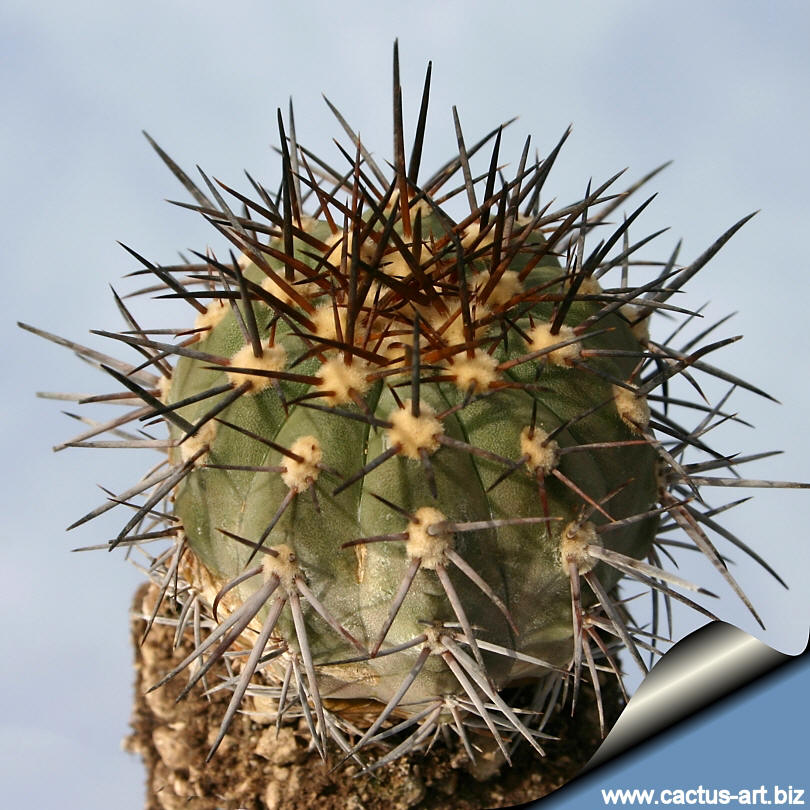
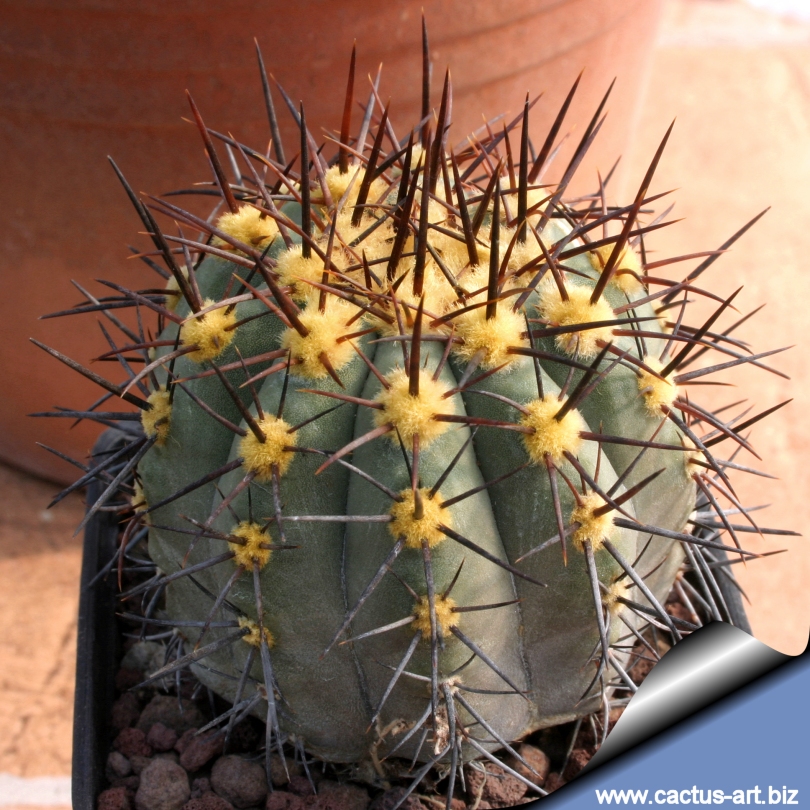
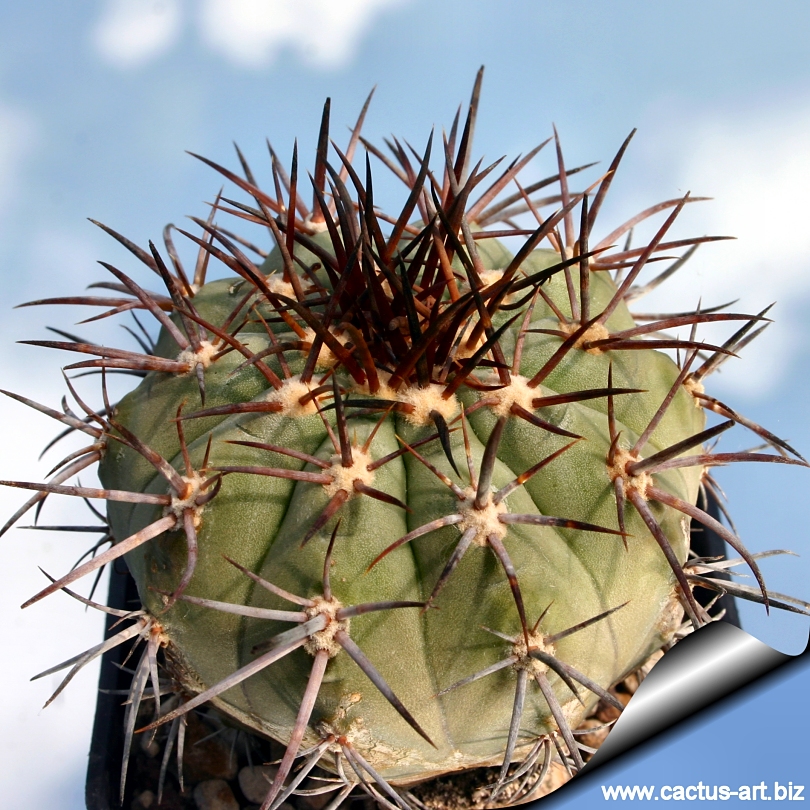
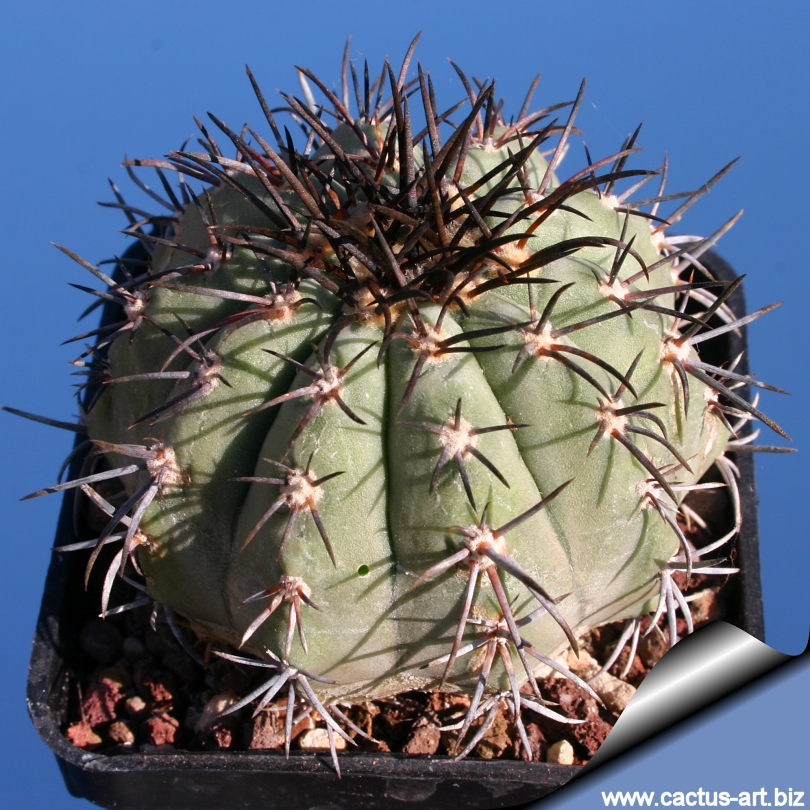
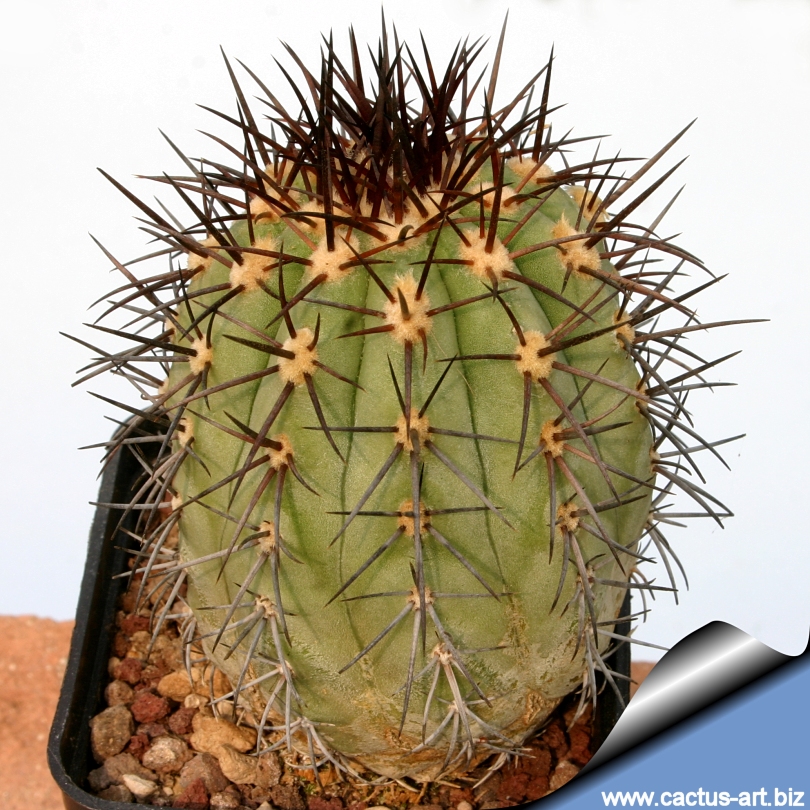
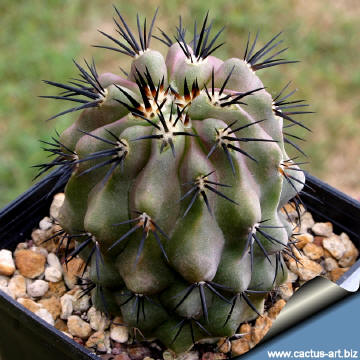
Copiapoa lembckei
KK70
(= Copiaoa cinerascens ? ) Caldera, Chile 100-200m
In habitat it forms clusters of stems covered by a whitish grey
bloom that is generally not present on the cultivated specimens that
usually have a dark solitary body.
|
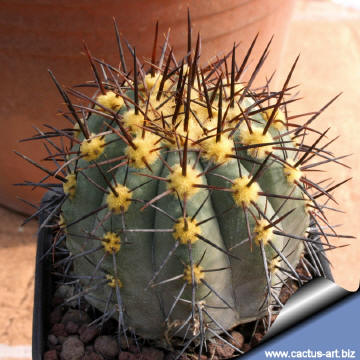
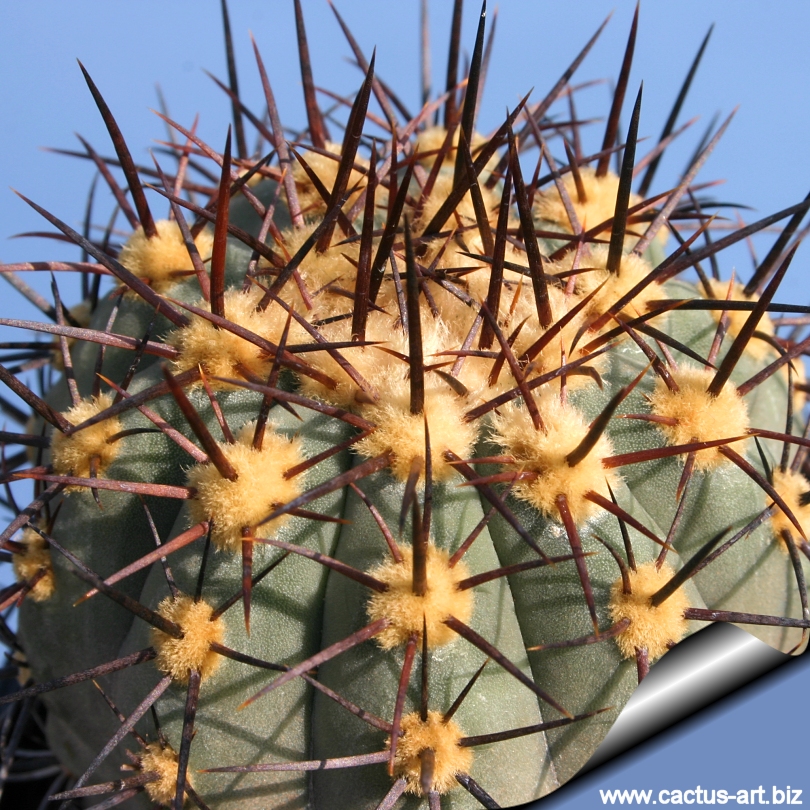
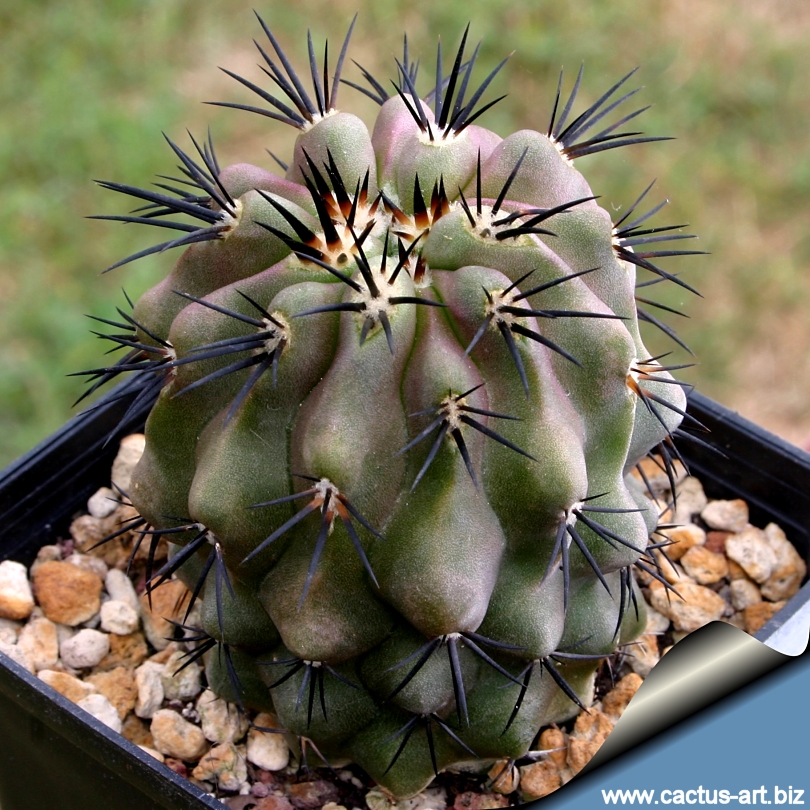
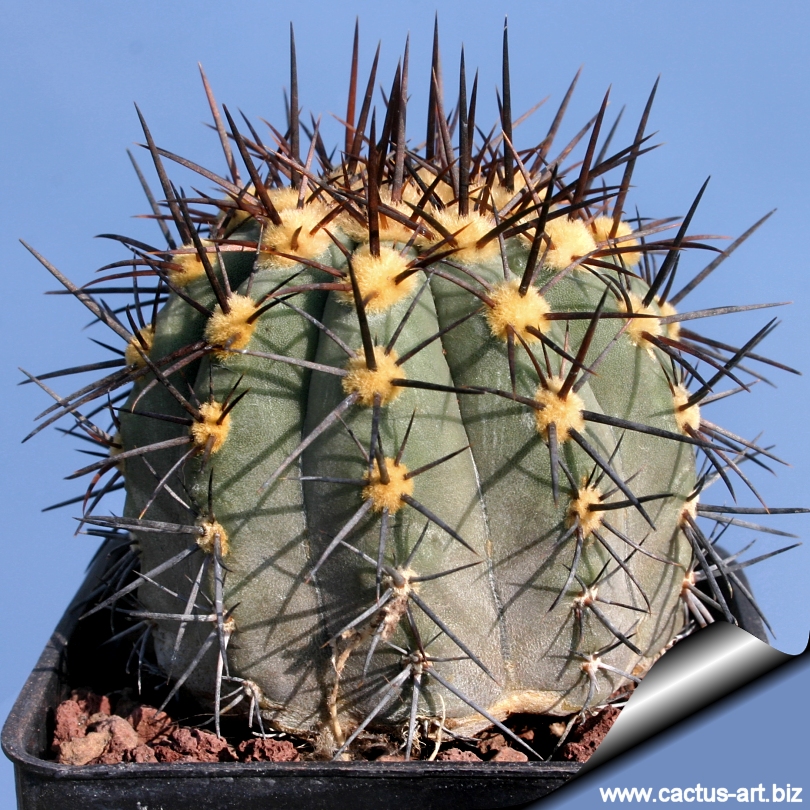
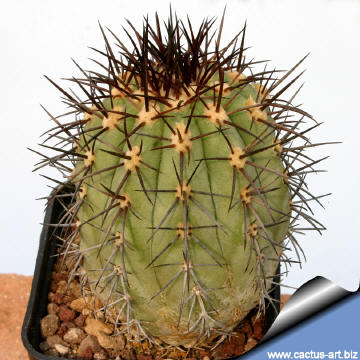
C. lembckei L825 Caldera, Chile altitude: 50m ... |
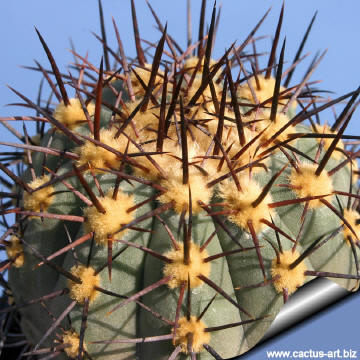
... a beautiful blue bodied form with yellow areoles |
|
. |
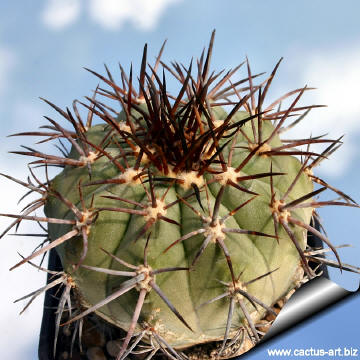 |
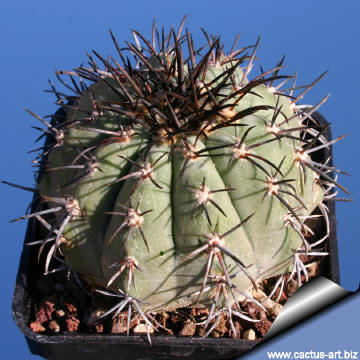 |
|
. |
 |
 |
|
Photo of conspecific taxa, varieties, forms and
cultivars of plants
belonging to the
Copiapoa calderana
complex.
(This
Taxon has lots of
synonyms (like many other Copiapoa) with several controversial
varieties and subspecies, and comprises several different forms, but
where each form is linked to others by populations of plants with
intermediate characteristics):
|
|
Advertising
|
|
|
|
|
Family:
Cactaceae (Cactus
Family)
Copiapoa lembckei Backeberg 1959
Scientific name:
Copiapoa
calderana F. Ritter 1959
(The name Copiapoa lembckei was
not validly published.)
Origin: Coastal deserts of northern Chile (Atacama,
Antofagasta, Caldera)
Habitat:
In the area where this plants grows there is very little rain but
frequent coastal fog, which provides a significant part of their water
needs.
Conservation status: Listed in
CITES appendix 2.
Synonyms:
- Copiapoa marginata (Sd) Br&R
- Copiapoa streptocaulon
- Copiapoa atacamensis,
- Copiapoa boliviana,
- Echinocactus bolivianus,
- Copiapoa lembckei
|
|
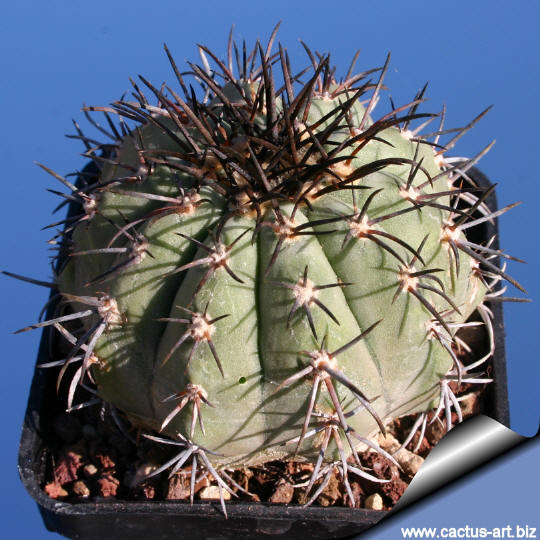
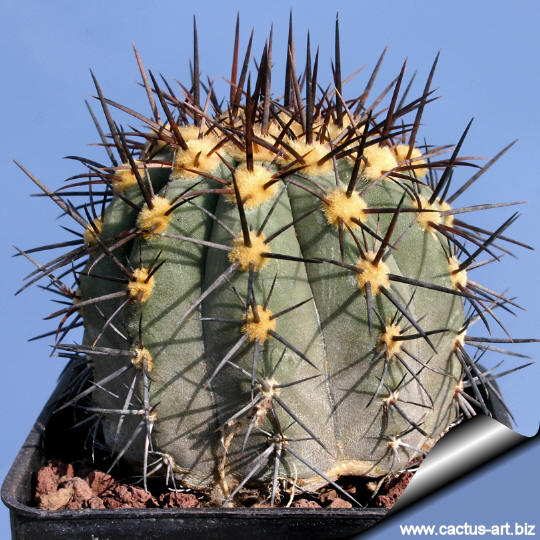
Description: Solitary or slowly
clumping
Stem: 10-30 cm tall , 10 cm in diameter, depressed spherical or
shortly cylindrical with a woolly apex, Bright grey-green, with grey
tips (the younger specimen are usually a dark tan/violet/green)
Ribs: 10 to 17 ribs, wide blunt, not notched, approx 1 cm high.
Areoles: Round, woolly, dull-white/grey that darken as they ages,
5-10 mm apart.
Spines: Amber, brown or black, awl-shaped to needle-like, hard
and straight (or slightly bent), becoming grey with age.
Central spines: 1( to 2) about 2-3 cm long.
Radial spines: 4 to 7; ± 1 to 1.5 cm long.
Flowers: Large (± 3 cm) light yellow, funnel-shaped, scented.
Blooming season: Flowers in spring and summer, followed by green
fruit.
|
|
|
|
Cultivation: This slow growing cactus is kept for the beauty of
its form. It must be protected from excessive heat and sun in summer,
and seems to do best in cultivation with a bit of shade. It requires
light but regular waterings in summer, but let the soil mix dry between
waterings, Prone to rot if over-watered. Needs good drainage. Keep
warm and dry in winter (10°C) to avoid rot. Not highly tolerant of a
great deal of frost. (Frost tolerance 0°C)
Propagation:
Seeds (or offsets if available), Grafting is often used to speed growth
rate and to create a back-up to plants in collection.
|
|

 |
|


 Cultivation
and Mail Sale
Cultivation
and Mail Sale