|
|
|
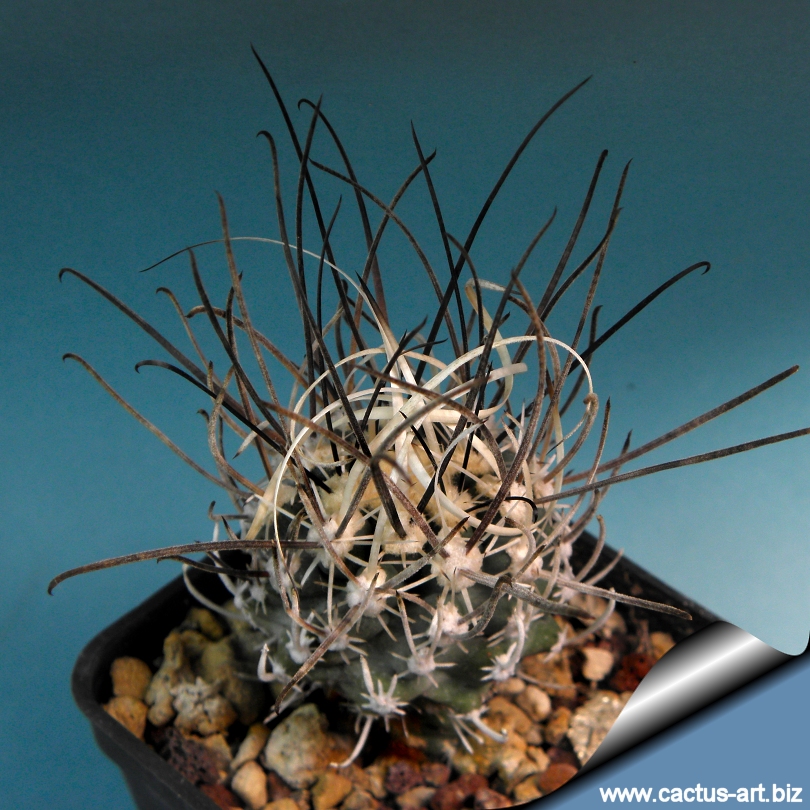
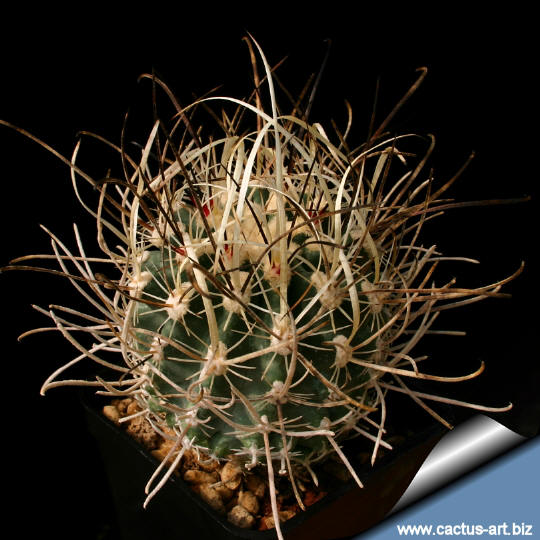
Sclerocactus spinosior ssp. blainei "schleseri"
SB1540 from Nye County, Nevada, USA.
This plant is one of the most
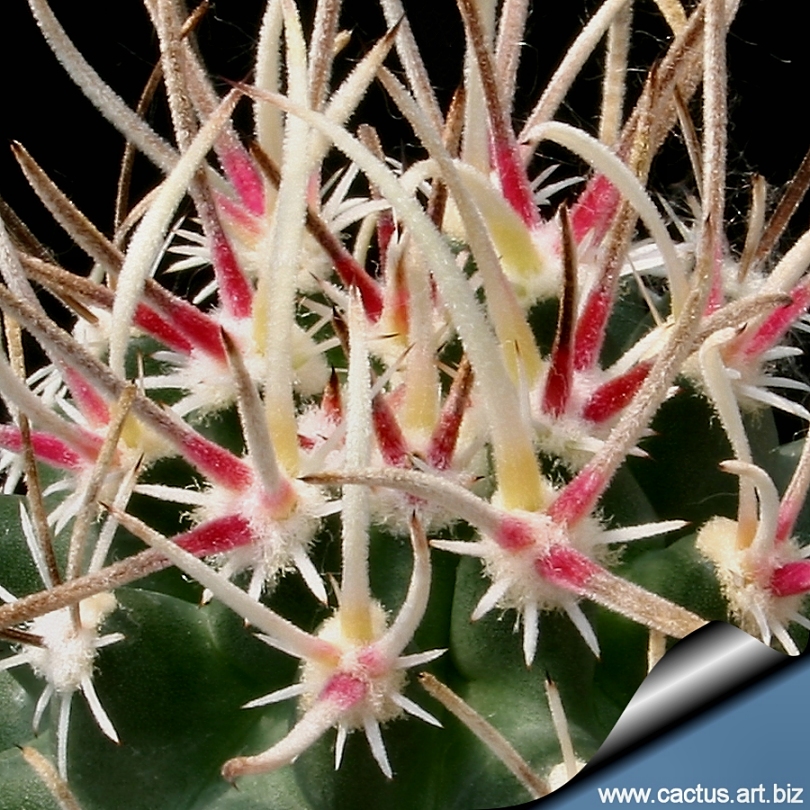
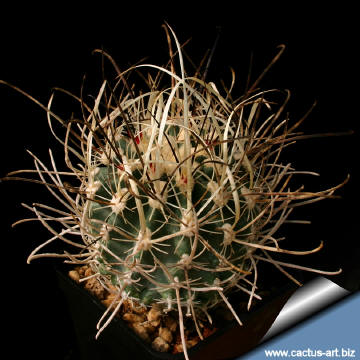
beautiful in the genus it has wonderful spines:
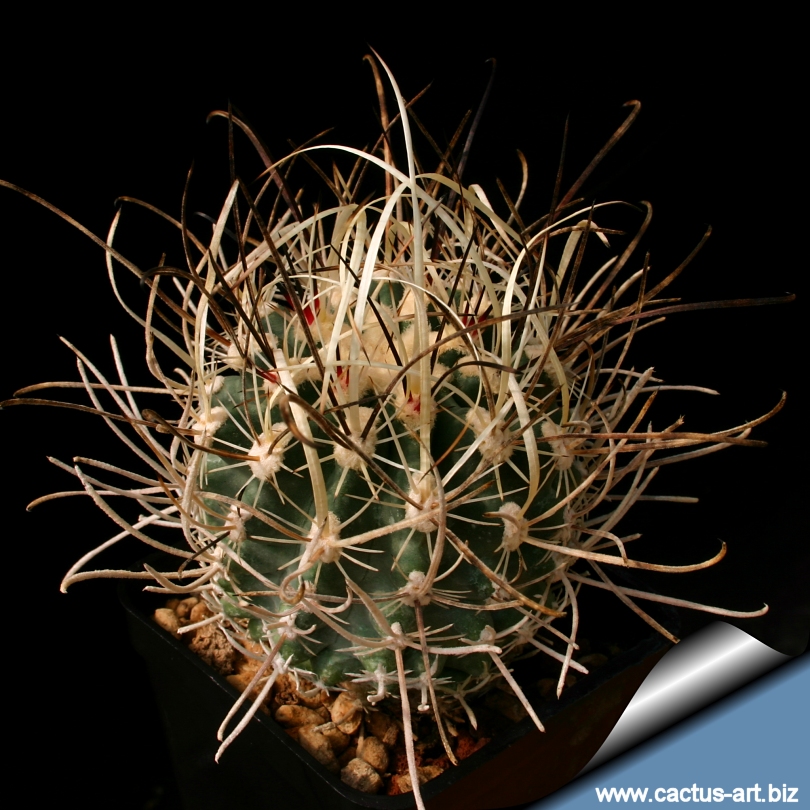
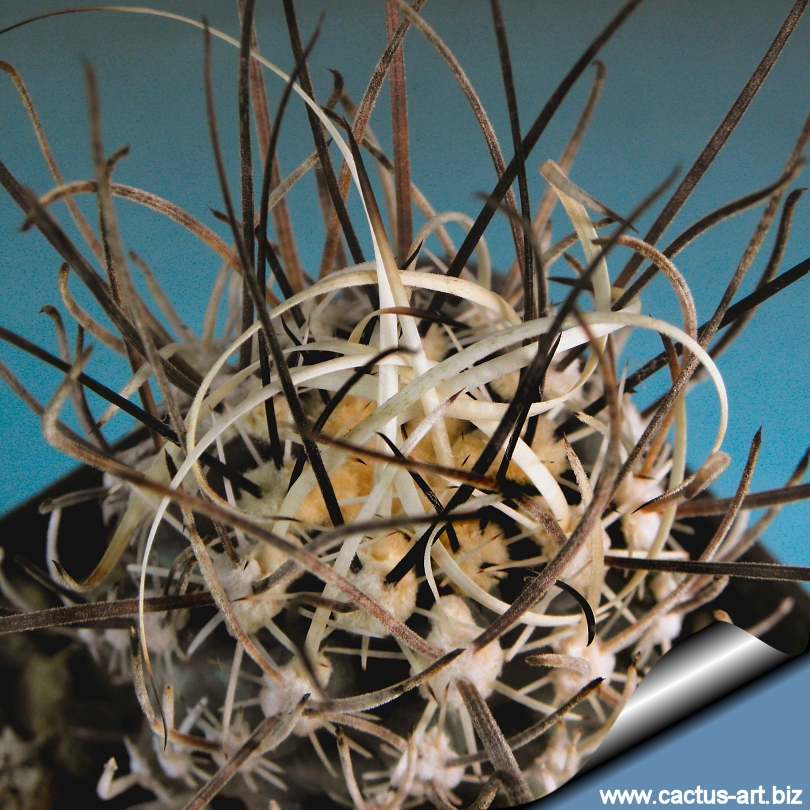
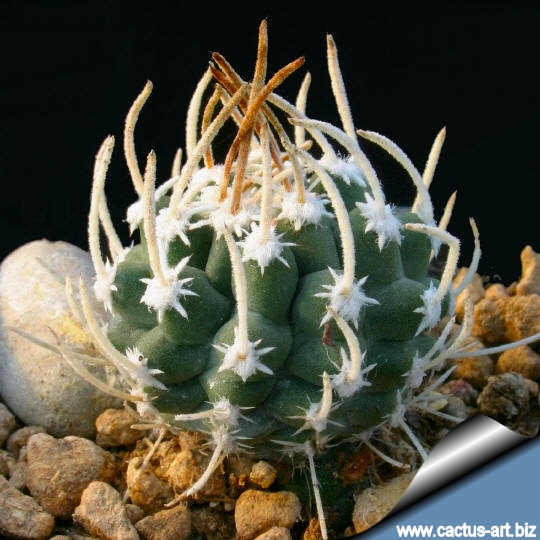
pubescent in young
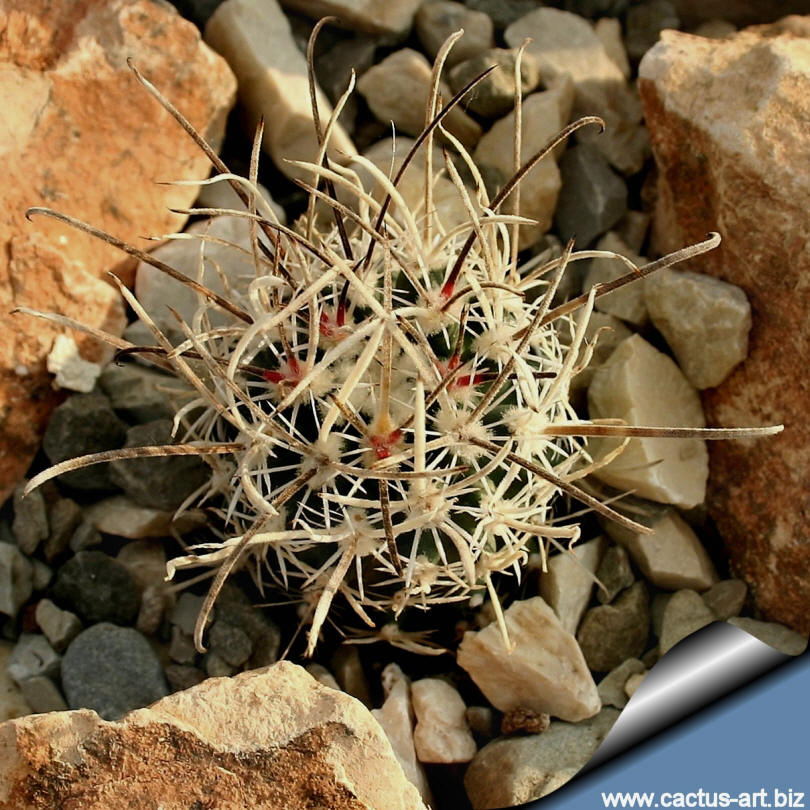
specimens, papery and somewhat flattened when adult.
|
|
 |
 |
|
. |
|
 |
 |
|
. |
|
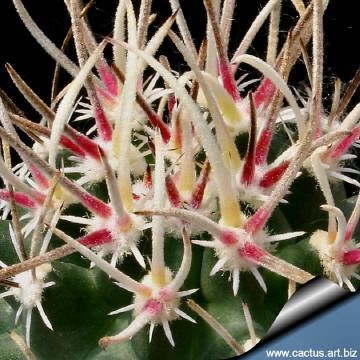
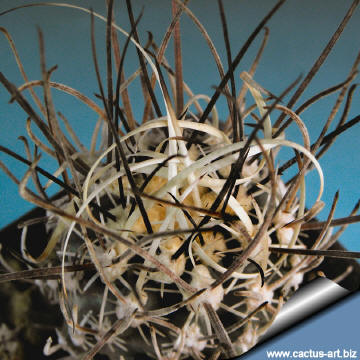
New spines |
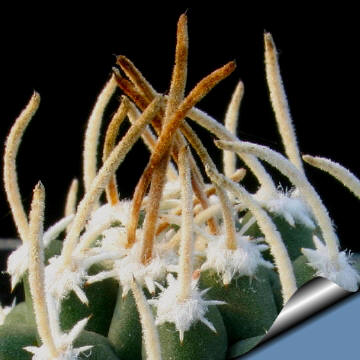
Pubescent spines
of a Juvenile plant. |
|
. |
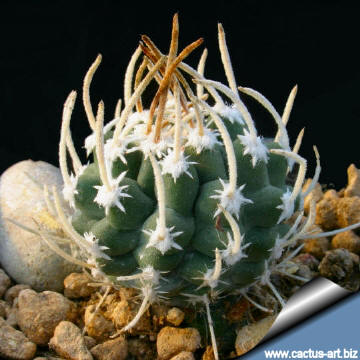
A juvenile specimen |
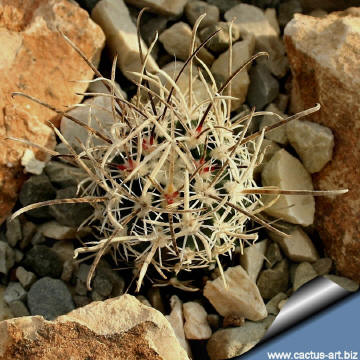
The transition to adult spination |
|
. |
|
 |
 |
|
Photo of conspecific taxa,
varieties, forms and cultivars of Sclerocactus spinosior:
|
|


Advertising
|
|
|
|
|
Family:
Cactaceae
(Cactus Family)
Scientific Name:
Sclerocactus spinosior ssp. blainei
(S.L.Welsh & K.H.Thorne) F.Hochstätter
(Ex schleseri)
in Succulenta, Netherlands74e (1) 38-44, 1995
Conservation status: Listed in
CITES appendix 2.
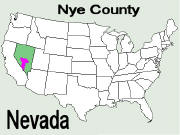 Distribution:
This very rare
cactus is confined to the western
USA. In Nevada (Nye County and Lincoln County); and in Utah (Iron County)
The
population in Nye Co. is separated
by more than 110 km from the
colonies
of Lincoln Co, but no intermediate plant colony are reported between
this two
localities. The number of wild individuals is very limited.
Type
locality: Nye county Distribution:
This very rare
cactus is confined to the western
USA. In Nevada (Nye County and Lincoln County); and in Utah (Iron County)
The
population in Nye Co. is separated
by more than 110 km from the
colonies
of Lincoln Co, but no intermediate plant colony are reported between
this two
localities. The number of wild individuals is very limited.
Type
locality: Nye county
Habitat:
Grows in salt desert in bottom valley plain
at an
altitude of 1450-1850 m
ASL. among shrub and grass or in open areas
on alkaline calcareous and volcanic gravely-clayey soils
Etymology: The
genus
name
"Sclerocactus" derives from the Greek word
“sclero” meaning "hard ", "cruel”. and the
word “cactus” (an old genus name)
The
species name
"spinosior" derives from
the Latin adjectives
“spinosus” (“thorny”) and the comparative suffix
“ior” that means “more so, to a greater degree; more-,
-er” ( =“the thornier”).
The
subspecies name "blainei" is named in
honour of
Blaine.
Synonyms:
- Sclerocactus blainei Welsh &
Thorne
In: Great Basin Naturalist 45 (3):553-555, 1985. (Basionym)
- Sclerocactus schleseri Heil &
Welsh
In: Great Basin Naturalist, 46 (4):677-678, 1986
- Sclerocactus spinosior (Engelmann)
Woodruff & L. Benson var. schleseri (Heil & Welsh)
Hochstätter
In: Succulenta, Netherlands, 71 (1): 247-262, 1992.
- Sclerocactus nyensis 72
(3):143, 1993.
- Pediocactus spinosior spp. blainei
(Welsh & Thorne) Halda 1998
- Pediocactus spinosior spp. schlesseri
(Heil & Welch) Halda 1998
|
|
Morphology (Identifying
Characteristics):
Habit:
Ovoidal and
generally solitary.
Stem:
3-15 cm tall.
Spines: Spines are
pubescent
in young and early
reproductive plants; The
central spine number
varies, and the number
of hooked spines may number as many as six, with one central
more developed, they are papery sometimes
flattened, longer and denser than in S. spinosior.
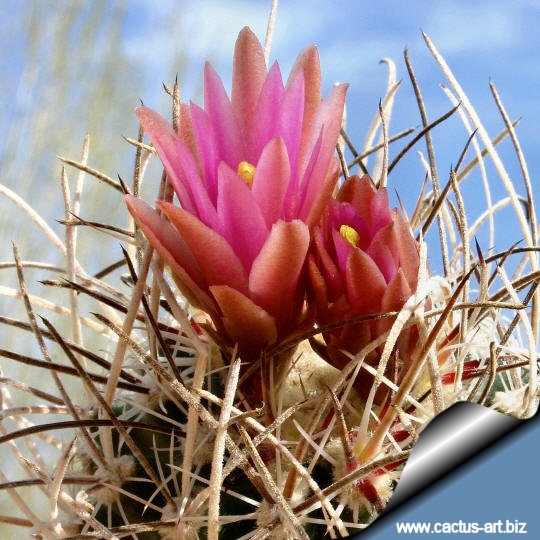
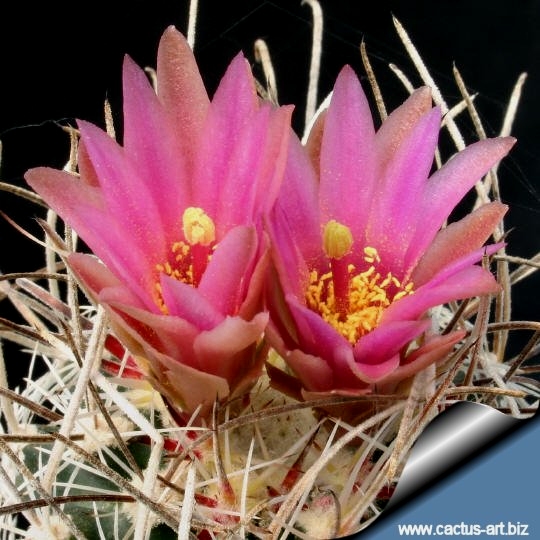
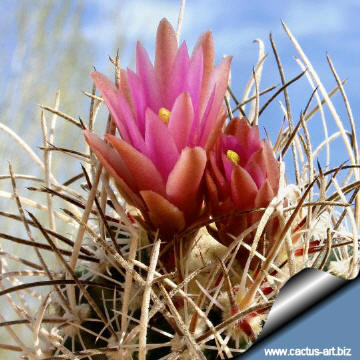
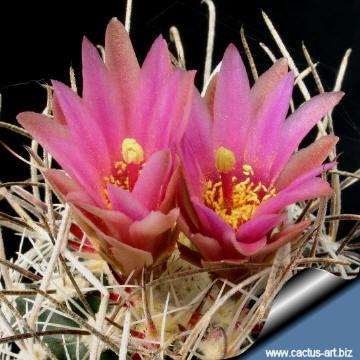
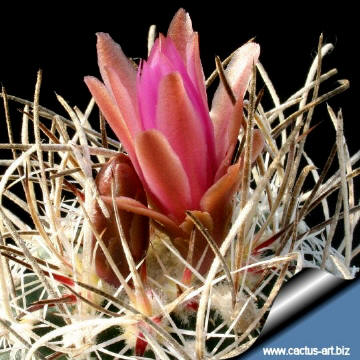
Flower:
Pink-purplish borne at the
apex of the stem, blooming in late-spring (May-June).
(In cultivation in April )
Note: Red
flowers are common in species pollinated by birds (but also bat and
insect)
|
|
|
|
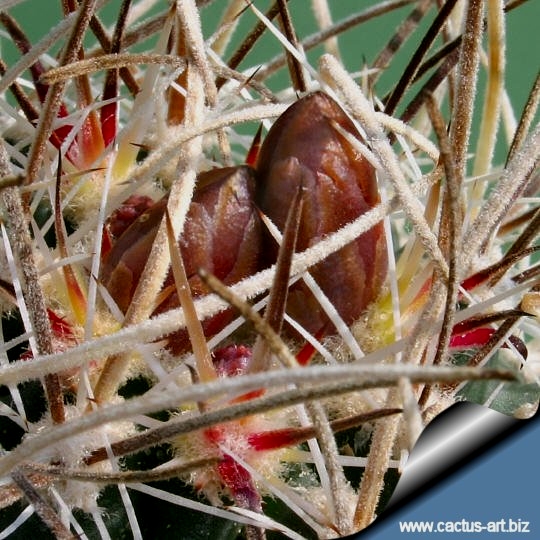
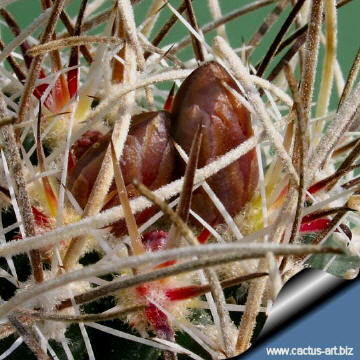
Buds

Flower
Cultivation: This plant is very
rare in cultivation, it is difficult to grow on its own roots
and to propagate. Mature individuals easily rot and die
especially after planting. The seeds germinate with extreme
difficulty and a low rate of success, seedlings do not do well
either, and more die each year. S. blainei is extremely
xerophytic and adapted to very dry soils, but plants
grafted on hardy
Opuntia compressa stock are very easy to grow and no special skill is
required, they can stay in a non heated green house. (min tem -20°C) ...
This interesting cactus, continues to be a particular prize among
specialist collectors.
Propagation:
Seeds are extremely difficult to
germinate (only 2-3 percent of seeds
germinate) The
germination is really difficult and if some
seedling
finally sprout, as they start to grows they disappear one by one. Grafting is often used to speed growth rate and to
create a back-up for plants in collection. |
|


 Cultivation and Mail Sale